Why Industry Data Matters: How the State of the Industry Report Supports Float Centres
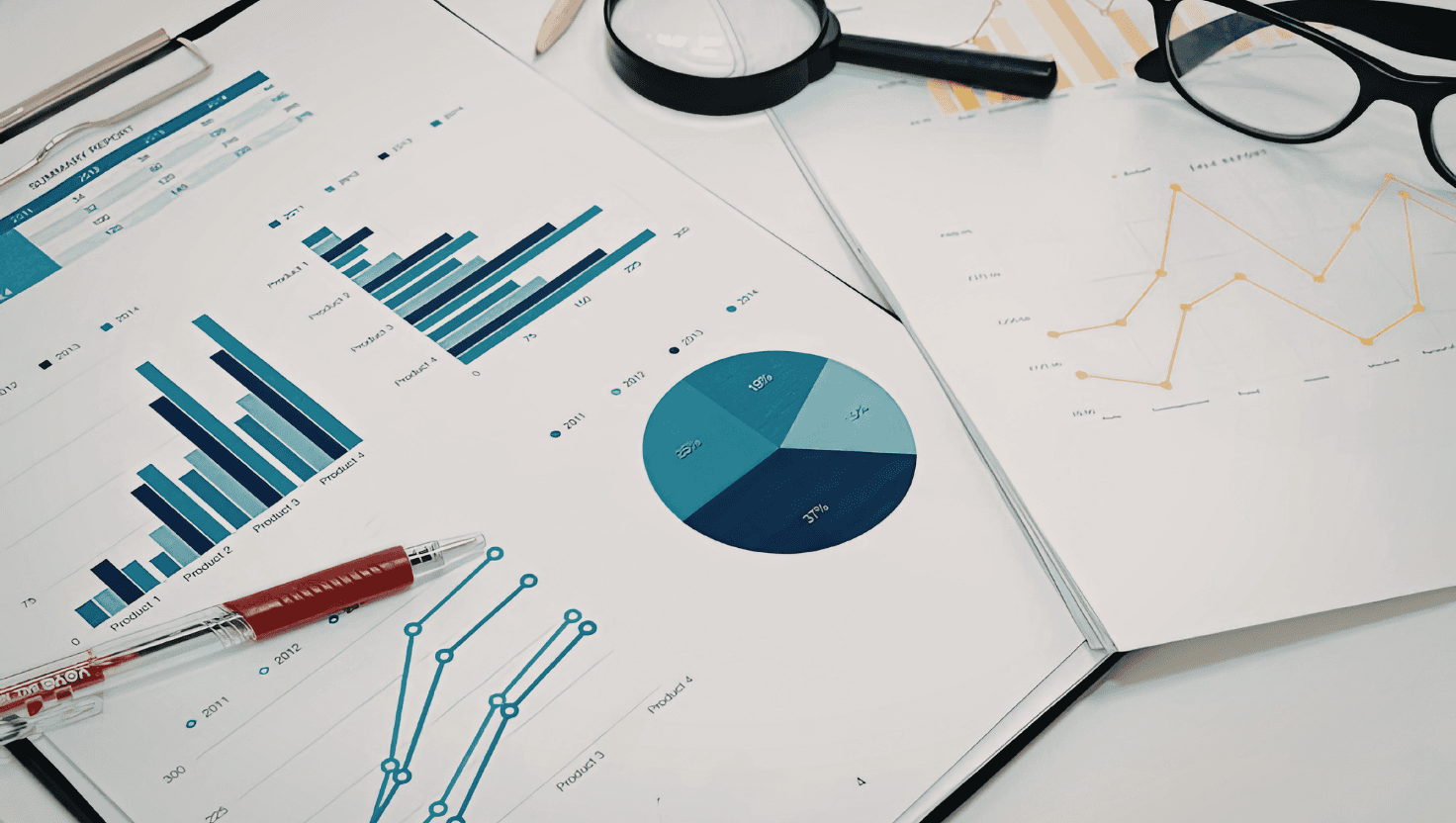
In a rapidly evolving wellness landscape, data is no longer optional—it’s essential. For float centre owners across Australia and New Zealand, access to reliable industry data, benchmarking insights, and market trends can mean the difference between surviving and scaling.
But beyond operational decisions, data now underpins credibility, positioning, and long-term growth. As wellness becomes more competitive and more science-driven, businesses that can demonstrate insight—not just intuition—are the ones that lead.
The Growing Importance of Data in the Wellness Industry
The global wellness economy continues to expand, driven by demand for mental health support, recovery, and preventative care. At the same time, the landscape is becoming more complex, with the rise of:
Infrared sauna studios
Recovery lounges (ice baths, compression, contrast therapy)
Pilates and boutique fitness
At-home wellness technology (red light, cold plunge, wearables)
This shift means float centres are no longer operating in isolation—they are part of a broader science-backed, experience-driven wellness ecosystem.
Industry data helps answer critical questions:
What are customers actually prioritising?
How are other centres pricing and structuring services?
Which modalities are growing—and where does float sit?
Where are the biggest opportunities for integration and growth?
Without data, these decisions rely on guesswork. With data, they become strategic.
What Is the State of the Industry Report?
The State of the Float Industry Report is a comprehensive snapshot of the float sector across Australia and New Zealand. It brings together aggregated data from float centre owners, operators, and industry stakeholders to provide:
Market trends and growth patterns
Pricing benchmarks and membership models
Customer behaviour insights
Operational challenges and opportunities
Emerging services and innovations
This type of report transforms individual experiences into collective industry intelligence—giving the entire sector a clearer direction.
How the Report Supports Float Centres
1. Benchmarking Performance
Centre owners can compare:
Pricing structures
Session packages and memberships
Occupancy rates and utilisation trends
Benchmarking removes guesswork and highlights opportunities for optimisation.
2. Smarter Business Decisions
Access to real data enables evidence-based decisions around pricing, services, marketing, and retention—reducing risk and improving outcomes.
3. Identifying Industry Trends Early
Industry reports highlight emerging trends such as:
Multi-modality wellness integration
Growth in recovery and performance services
Increased demand for mental wellbeing solutions
Early insight enables proactive adaptation rather than reactive change.
4. Strengthening Industry Credibility
Reliable data supports:
Media and PR positioning
Engagement with healthcare and allied health professionals
Industry advocacy
This helps position float therapy as a credible, evidence-informed modality, aligned with broader health and wellness trends.
5. Supporting Marketing & Messaging
Understanding customer behaviour allows centres to:
Align messaging with current wellness trends
Highlight relevant, in-demand benefits
Improve conversion and retention
6. Driving Collaboration & Community Growth
Shared data fosters:
Industry collaboration
Transparency
Collective growth
A stronger dataset benefits not just individual centres—but the entire industry.
Where Does the Data Come From?
High-quality industry reports rely on multiple data sources, including:
Float centre submissions (pricing, usage, memberships, services)
Customer insights (booking trends, retention, preferences)
Industry surveys conducted by associations like the Float Therapy Association Australia & New Zealand
Global wellness research from organisations such as the Global Wellness Institute
Market research firms like IBISWorld and Deloitte
Consumer trend reports from McKinsey & Company
By combining local industry data with global insights, the report provides both relevance and context—helping float centres understand not just their own performance, but where the industry is heading.
Why Complete Data Matters
The accuracy of any industry report depends on the quality and completeness of the data collected.
Incomplete or inconsistent data can:
Skew benchmarks
Misrepresent pricing or demand
Limit the usefulness of insights
Lead to poor decision-making
On the other hand, complete and consistent data enables:
Reliable comparisons across centres
Clear identification of trends
Stronger industry advocacy
Greater trust from media, partners, and health professionals
Put simply:
The more complete the data, the more powerful the insights.
Why Participation Matters
The value of the report depends on participation. The more centres that contribute, the more accurate and actionable the insights become.
By contributing data, centres are not just supporting their own growth—they are helping shape the future of the entire float industry.
The Bigger Picture: Data as a Growth Tool
In 2026, successful float centres are those that combine:
Experience
Education
Data
The State of the Industry Report sits at the centre of this—bridging insight with action.
Final Thoughts
The float industry is maturing—and with that comes the need for stronger insight, clearer positioning, and smarter strategy.
The State of the Float Industry Report is more than a document. It’s a tool for:
Smarter decisions
Stronger businesses
A more connected and credible industry
References
Global Wellness Institute. Global Wellness Economy Monitor 2023–2024.
McKinsey & Company. Future of Wellness Survey (2024–2025).
IBISWorld. Market Research & Industry Benchmarking Reports.
Deloitte. Data-Driven Decision Making in Modern Business.
Float Therapy Association Australia & New Zealand. Industry Insights & Member Data Initiatives.