Red Light Meets Deep Relief: The Science Behind RLT and Massage Synergy
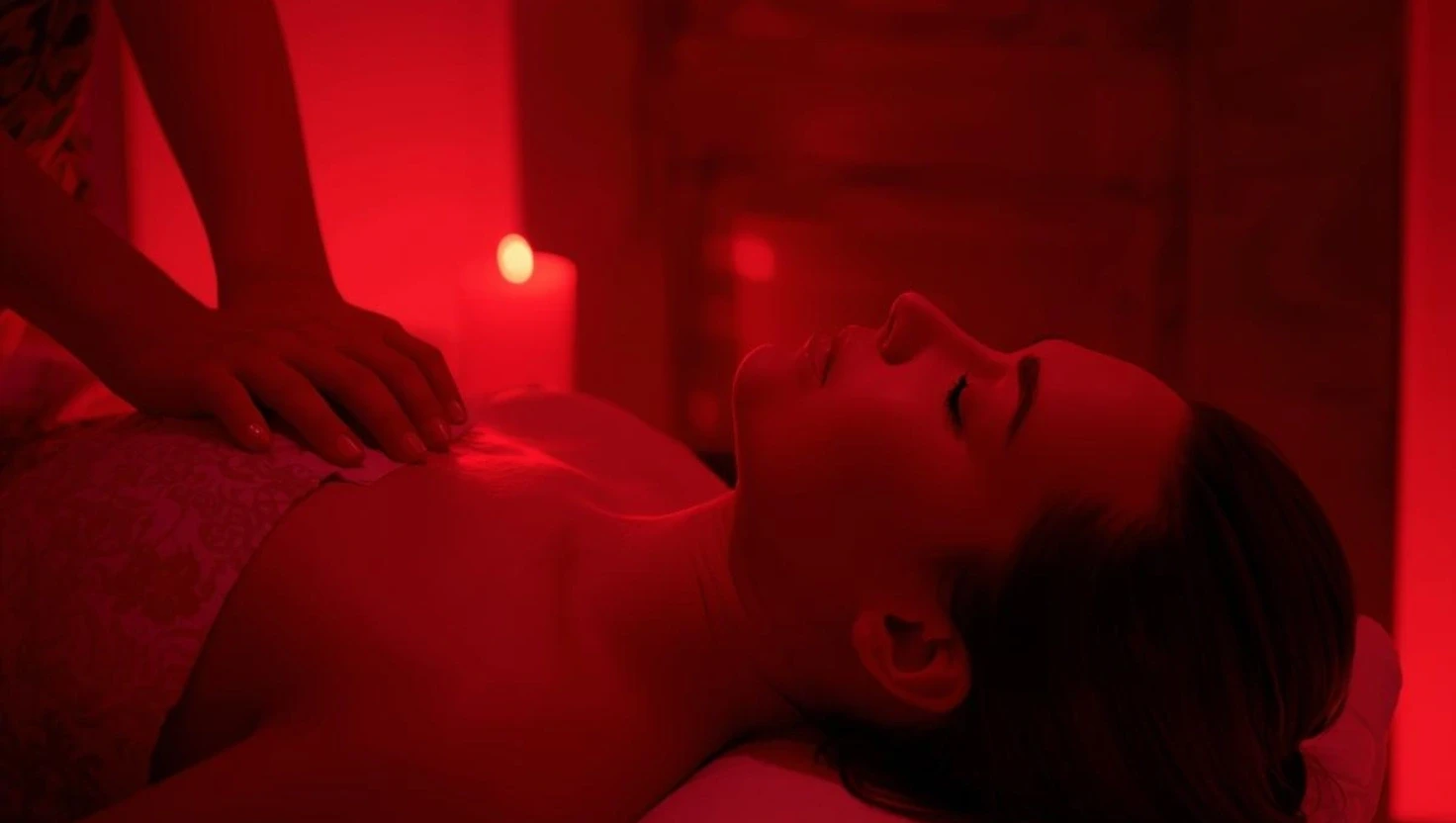
Red Light Meets Deep Relief: The Science Behind RLT and Massage Synergy
Combining Red Light Therapy (RLT) and Massage Therapy can provide a powerful, holistic approach to wellness: RLT works at the cellular/tissue level (boosting energy, reducing inflammation), while massage works on soft‑tissue mechanics, circulation, and muscle/structural balance. Together, they may enhance tissue repair, reduce pain, improve mobility, and support overall recovery and relaxation. Spot On Massage+2Theta Wellness Center+2
How They Work
Cellular energy & repair (RLT): Red light therapy (also known as photobiomodulation or low‑level light therapy) stimulates mitochondria — the “power plants” of our cells — increasing ATP production, supporting cellular repair, reducing oxidative stress and inflammation, and aiding tissue healing. Healthline+2PMC+2
Tissue mobilisation & circulation (Massage): Massage physically works on muscles, fascia, and connective tissue — releasing tension, improving blood and lymph circulation, relieving tightness, promoting tissue pliability, and improving flexibility. Combined with improved circulation, this supports better nutrient and oxygen delivery to tissues and more efficient waste removal. Theta Wellness Center+2Physical Achievement Center+2
Complementary effects: RLT helps calm inflammation and prime tissues on a cellular level, making them more receptive to manual work. Massage then addresses structural, muscular, and fascial tension — giving a layered healing effect. Together, the therapies can reduce pain signals, improve flexibility, speed up recovery, and enhance overall tissue health. Physical Achievement Center+2Fuel Physical Therapy+2
What Does the Research Say?
A broad review of RLT notes it may help with tissue repair, inflammation reduction, improved skin health, and pain management. Cleveland Clinic+2Healthline+2
Clinical evidence shows photobiomodulation (RLT / low‑level laser therapy) can reduce pain for conditions like osteoarthritis, knee pain, and post-operative pain, and may support tissue healing and regeneration. PMC+1
According to a recent article summarizing combined therapy benefits, pairing RLT with massage can enhance muscle recovery and pain relief, improve circulation and cellular function, support stress reduction and mental well‑being, and boost skin health and recovery outcomes compared with either therapy alone. Theta Wellness Center+1
For example, when RLT is used before or after massage, tissues may be more pliable and less inflamed — enabling deeper, more effective manual release and reducing post‑massage soreness. Physical Achievement Center+1
That said — as with many integrative therapies — the quality of evidence varies depending on condition, wavelength/device, dosing, and individual factors. While RLT shows promise, more large‑scale, controlled studies remain necessary. Cleveland Clinic+2Healthline+2
What a Typical Routine Might Look Like
Here’s a sample structure for combining RLT + Massage:
Hydration & Preparation
Begin hydrated — this supports circulation and tissue health.
Ensure skin is clean and free of lotions (if applying RLT to skin surfaces).
Red Light Therapy (8–15 min, targeted area)
Use RLT on the area to be worked on (e.g., tight shoulders, lower back, legs).
The goal: stimulate cellular energy, reduce inflammation, make tissue more receptive.
Massage Therapy (30–60 min, depending on need)
Therapist applies techniques like myofascial release, deep tissue, relaxation massage — depending on client’s needs.
With tissues more pliable (post-RLT), manual work may reach deeper, be more effective, and cause less discomfort.
Optional Post-Massage RLT (short session, e.g. 5–10 min)
Helps support cellular recovery post-manual work, reduce soreness, and support healing.
Aftercare: Rest, Hydration, Gentle Movement
Encourage light stretching or mobility work, gentle hydration, and maybe a soothing warm/cool shower.
Schedule follow-up sessions depending on recovery needs — e.g., 1–3x per week in early stages, then taper based on progress.
Who Benefits Most from This Combination
This combined approach may be especially beneficial for:
Athletes or active individuals: Faster muscle recovery, reduced soreness, improved flexibility, and quicker return to training.
People with chronic musculoskeletal pain or tightness: Those suffering from chronic tension, repetitive strain, myofascial pain, or posture‑related tightness may find relief, improved mobility, and reduced stiffness.
Individuals recovering from injury or overuse: Accelerated tissue repair, reduced inflammation, and improved circulation may support healing.
People with high stress or tension: The combined calming effect (on the cellular level + physical relaxation) can support stress relief, better sleep, and mental well‑being.
Those seeking holistic wellness or maintenance: People interested in preventative care, maintaining tissue health, and enhancing mobility or circulation benefits over time.
Clients with skin or tissue‑quality goals: Improved circulation, better tissue health, potential collagen support (via RLT), and massage-induced improved tissue softness and tone — good for skin, fascia, and overall tissue vitality.
As always, this combination might not be ideal for everyone (e.g., if there are photosensitivities, active skin conditions, certain health issues). Anyone considering it should consult with a licensed therapist or medical professional for personalized guidance.
Final Thoughts
Red Light Therapy and Massage Therapy — each valuable on its own — create a compelling, synergistic duo when combined thoughtfully. By addressing both cellular-level repair and mechanical tissue work, they offer a holistic pathway toward recovery, tissue health, pain relief, and overall well‑being.
If you’re seeking faster recovery, improved mobility, or deeper relaxation, this pairing presents a safe, non‑invasive, and potentially transformative option. As always, listen to your body, proceed gradually, and work with qualified professionals.
For more wellness articles, therapeutic insights, or float‑therapy content, feel free to reach out or explore shared resources.
References
Photobiomodulation’s effect in nerve regeneration / tissue repair: https://pmc.ncbi.nlm.nih.gov/articles/PMC12497345/
Low‑level laser & LED therapy (RLT) reduces pain & improves function in soft-tissue and joint conditions: https://pmc.ncbi.nlm.nih.gov/articles/PMC9980499/
The synergistic effects of combining Massage Therapy with Red‑Light Therapy: https://theta.life/journal/2024/7/15/ultimate-relaxation-and-healing-the-powerful-synergy-of-massage-and-red-light-therapy-revealed
Overview of Red Light Therapy: mechanisms, skin & tissue benefits: https://www.uclahealth.org/news/article/5-health-benefits-red-light-therapy
General summary of RLT uses, benefits, risks:https://my.clevelandclinic.org/health/articles/22114-red-light-therapy