Designing the Ideal Float Experience: Tips for Spa Owners
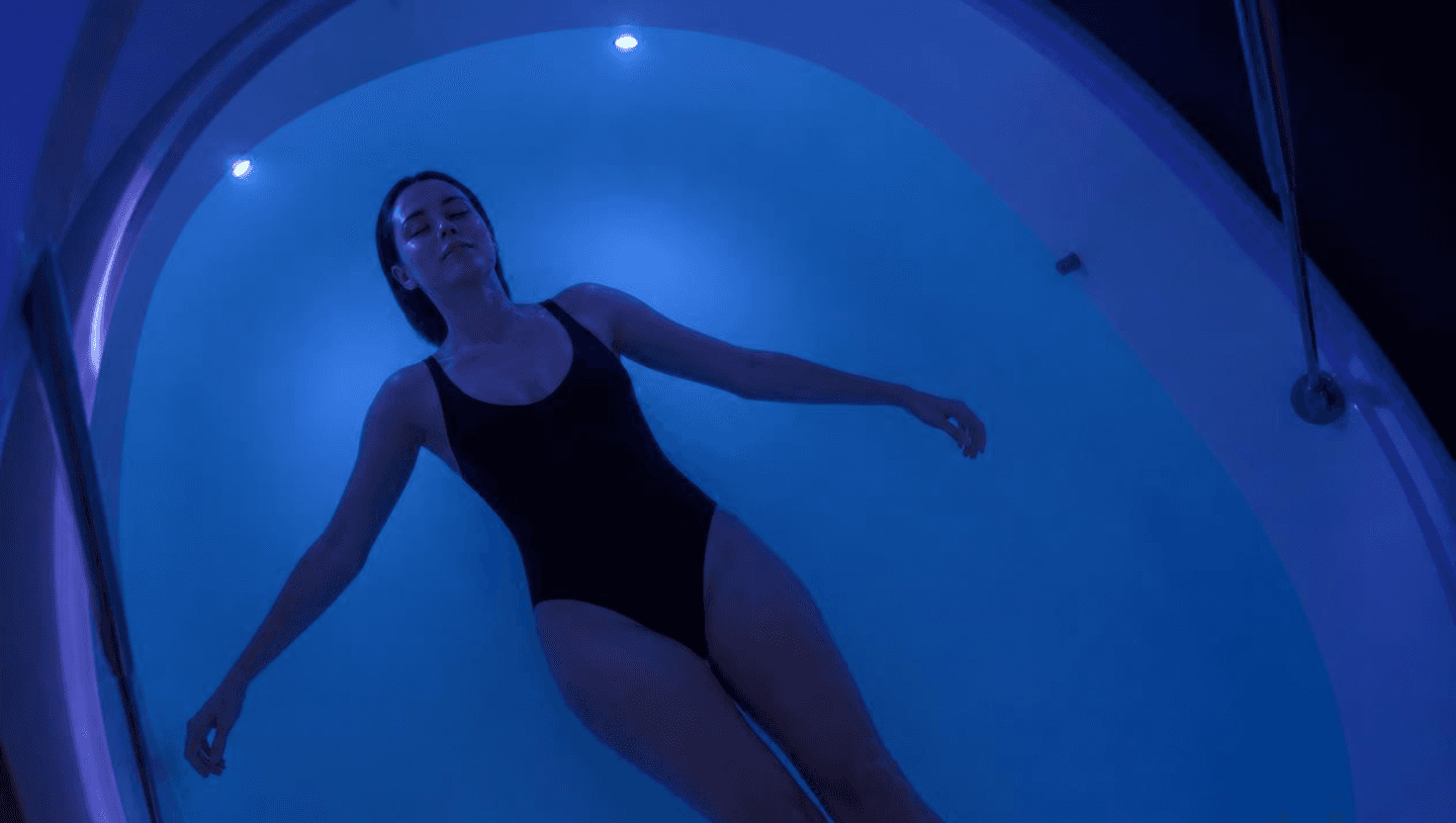
Creating a Memorable Float Therapy Journey
In today's competitive wellness industry, providing a float session alone is no longer enough. Clients increasingly seek a complete wellness experience that begins the moment they discover your centre online and continues long after they leave. Every interaction—from booking and arrival to the float session and follow-up communication—contributes to customer satisfaction, repeat visits, and positive word-of-mouth.
For spa and float centre owners, designing an exceptional client experience means combining thoughtful facility design, attentive customer service, evidence-informed practices, and continuous improvement. This article explores practical ways to create an ideal float experience that encourages client loyalty and business growth.
Make a Great First Impression
The client experience starts before they walk through your doors.
Your website should clearly explain:
What float therapy is
What clients should expect
Pricing and membership options
Frequently asked questions
How to book online
Directions and parking information
Clear communication reduces uncertainty, particularly for first-time floaters who may feel nervous about trying something new.
Create a Calm and Welcoming Environment
The physical environment plays a significant role in helping clients relax.
Consider:
Soft, warm lighting
Minimal clutter
Comfortable seating
Natural colours and textures
Pleasant but subtle aromas
Quiet reception areas
Consistent room temperatures
A peaceful environment allows clients to begin relaxing well before entering the float room.
Focus on Cleanliness and Hygiene
Cleanliness is one of the strongest contributors to client confidence.
Clients expect:
Spotless float rooms
Fresh towels
Sanitised showers
Clean amenities
Well-maintained equipment
Clear water quality procedures
Displaying your cleaning and filtration practices can reassure first-time visitors about hygiene and safety.
Train Staff to Deliver Exceptional Service
Every interaction shapes the client experience.
Staff should be able to:
Explain float therapy confidently
Answer common questions
Support anxious first-time clients
Respect client privacy
Handle concerns professionally
Recommend appropriate services without pressure
Friendly, knowledgeable staff often become one of a centre's strongest competitive advantages.
Personalise the Experience
Small personal touches can make clients feel valued.
Examples include:
Greeting returning clients by name
Remembering client preferences
Offering tailored wellness recommendations
Celebrating milestones
Providing personalised follow-up emails
Personalisation helps build stronger long-term relationships.
Help First-Time Clients Feel Comfortable
Many new clients have questions about floating.
Provide clear guidance on:
What to bring
What to expect
How to enter and exit the pod or room
Adjusting lighting and music
Managing concerns such as claustrophobia
Post-float recommendations
Reducing uncertainty improves the likelihood of repeat visits.
Incorporate Wellness Beyond Floating
Many successful centres now offer complementary wellness services, such as:
Massage therapy
Infrared sauna
Cold therapy
Breathwork sessions
Meditation
Red light therapy
When thoughtfully integrated, these services can enhance the overall client experience while creating additional revenue opportunities.
Encourage Client Feedback
Feedback provides valuable insights for continuous improvement.
Ask clients about:
Their booking experience
Staff interactions
Facility cleanliness
Comfort levels
Overall satisfaction
Online surveys and post-visit emails can help identify opportunities to improve the client journey.
Build Long-Term Relationships
Retaining existing clients is generally more cost-effective than acquiring new ones.
Strategies include:
Membership programs
Loyalty rewards
Referral incentives
Educational newsletters
Wellness workshops
Community events
Consistent communication helps clients remain engaged between visits.
Continue Improving Your Centre
Client expectations continue to evolve.
Regularly review:
Customer feedback
Industry research
Emerging wellness trends
Equipment upgrades
Staff training
Booking processes
Continuous improvement helps maintain a premium client experience while supporting business growth.
Final Thoughts
Designing an exceptional float experience extends far beyond the float session itself. Every detail—from the first website visit to post-session follow-up—shapes how clients perceive your business and whether they choose to return.
By focusing on client comfort, exceptional service, clean facilities, personalised care, and ongoing improvement, spa and float centre owners can create memorable experiences that encourage loyalty, positive reviews, and sustainable growth.
As consumer expectations continue to rise, businesses that consistently deliver thoughtful, high-quality experiences will be well positioned for long-term success.
References
Australian Government Business. (2024). Improve Customer Service.
https://business.gov.auGlobal Wellness Institute. (2024). The Global Wellness Economy.
https://globalwellnessinstitute.orgInternational SPA Association (ISPA). (2024). Research & Industry Resources.
https://experienceispa.comHarvard Business Review. The Value of Keeping the Right Customers.
https://hbr.orgQualtrics XM Institute. Customer Experience Best Practices.
https://www.qualtrics.com/xm-institute/